
Call 03301 334 199 or Whatsapp us 07950545264 hello@abc-mortgages.co.uk
At ABC Mortgages, we provide advice for self build mortgages to clients in Kent and across the UK. We’ll take the time to understand your project and financial circumstances, explore suitable lenders and guide you through the mortgage process from your initial plans through to completion.
Your home / property may be repossessed if you do not keep up repayments on your mortgage.
Discover how much you can afford to borrow.
Last Updated: 03rd September 2026
Self build mortgages are designed for people who want to finance the construction of their own home rather than purchase an existing property. Whether you’ve already found a plot of land or you’re at the beginning of planning your project, getting the right finance in place can be an important part of turning your plans into reality.
Unlike a standard residential mortgage, where funds are typically released when you complete the purchase, self build finance is usually released in stages as construction progresses. This means your mortgage needs to work alongside your project, budget and anticipated build schedule.
Building your own home can give you greater control over its location, design, layout, specification and energy efficiency. However, financing a self build can be more complex than arranging a mortgage on a property that has already been built.
Lenders need to consider not only your income and affordability but also the proposed property, construction costs, land, planning position and how the project will be completed. Lending criteria can therefore vary considerably between providers.
Some lenders may also have preferences or restrictions concerning particular construction methods, property types or build arrangements. This is why it can be valuable to consider the financing of your project early rather than waiting until construction is ready to begin.
ABC Mortgages can help you understand the options available based on your circumstances and proposed build. From our base in Sittingbourne, we help clients across Kent and beyond navigate the specialist mortgage market and find an appropriate way to finance their self build.
The main difference between a self build mortgage and a conventional residential mortgage is how the money is released.
Rather than receiving the entire mortgage at once, funds are normally released at agreed stages throughout the project. The precise stages depend on the lender and the nature of the build, but they could relate to purchasing the land, completing foundations, constructing the main structure, making the property wind and watertight, completing internal works and reaching final completion.
The property may also be inspected or valued during the project before further funds are released.
This staged approach makes careful budgeting particularly important. You need to consider when contractors and suppliers will need paying and when your lender is expected to make each mortgage payment.
An important distinction between self build mortgages is whether funds are released in advance or in arrears.
With arrears stage payments, money is generally released after an agreed stage of construction has been completed and assessed. This can mean you need sufficient funds available to pay for work before receiving the next mortgage instalment.
With advance stage payments, funds may be released before an agreed stage of work begins. This can help with cash flow where you don’t have enough capital available to finance each construction stage yourself.
Availability and requirements vary between lenders, so understanding how and when funds will be released is an important part of choosing a mortgage for your project.
Depending on the lender and your circumstances, a self build mortgage may be able to help finance both the purchase of a suitable building plot and the subsequent construction of your home.
If you already own your land, its value may also form part of the lender’s assessment of the project and your overall contribution.
Before lending against a plot, providers will want to understand whether it is suitable for the proposed development. Planning permission, access, the value of the land and the proposed property can therefore all influence the application.
If you haven’t purchased your plot yet, speaking to a mortgage adviser early can help you understand your likely financing position before committing to a land purchase.
Deposit requirements for self build mortgages can be higher than those for conventional residential mortgages because of the additional risks involved in financing a property during construction.
The amount you’ll need will depend on factors including the lender, land value, expected construction costs, projected value of the completed property and your individual financial circumstances. Some lenders may require deposits in the region of 20% to 30%, although this should not be treated as a universal requirement because criteria can vary significantly.
If you already own the building plot, the equity you hold in the land may be taken into consideration, potentially affecting how much additional cash you need to contribute.
It’s also important not to consider your mortgage deposit in isolation. A self build project needs a realistic overall budget, including sufficient provision for construction expenses and unexpected costs.
How much you can borrow will depend on the lender’s affordability assessment as well as the details of your proposed build.
As with other mortgages, lenders can consider your income, expenditure, existing financial commitments and credit history when determining affordability. However, a self build application also requires them to assess the project itself.
The lender may consider the cost of purchasing the land, estimated construction costs, amount you’re contributing personally and anticipated value of the property once completed. They will also want confidence that sufficient funding is available to complete the project.
Because affordability calculations and self build criteria differ between lenders, the maximum amount available from one provider may not necessarily be the same as another.
A self build mortgage application normally requires more information about the proposed property than a standard mortgage application.
Alongside evidence of your income and financial circumstances, lenders may want to understand your building plans, planning permission, construction method, build schedule and projected costs. They may also require information about the professionals or contractors involved in the project and how you intend to manage the build.
A realistic cost breakdown is particularly important. Your lender needs confidence that the available funds are sufficient to take the property through to completion rather than leaving a partially completed development.
The exact documentation required varies between lenders and projects. Preparing as much information as possible before applying can therefore make it easier to identify suitable lenders and reduce avoidable delays.
Self build mortgages aren’t limited to experienced property developers. Depending on lender criteria, they can be available to a wide range of applicants, including people building a home for the first time.
You may be considering a self build because you want a bespoke family home, have found a suitable plot, already own land or want greater control over the specification and energy efficiency of your next property.
Your eligibility will depend on your personal financial circumstances and the viability of the proposed project. Lenders can consider your income, affordability, deposit or equity, credit history and the details of the build before deciding whether they’re prepared to lend.
First-time buyers may also be considered by some lenders, although the available options will depend on individual circumstances and lender requirements.
The first step is understanding your budget and how you intend to approach the project. At ABC Mortgages, we’ll discuss your income, available deposit or land equity, expected construction costs and plans for the finished property.
We can then research suitable mortgage options and explain how different lenders approach self build applications, including their criteria and stage-payment arrangements.
Once a suitable lender has been identified, your application can be prepared alongside the supporting information required for the project. The lender will assess both your financial circumstances and the proposed build before deciding whether to make a mortgage offer.
Following approval, funds will normally be released at the agreed stages as construction progresses. The lender’s requirements need to continue being met throughout the build until the property reaches completion.
Having an adviser supporting you throughout this process can be particularly useful when dealing with a mortgage that may remain active across multiple stages of construction.
Once construction has finished and the property meets the necessary requirements, you can begin enjoying the home you’ve built.
What happens to the mortgage itself depends on the product and lender. You may remain on the existing mortgage arrangement or potentially have the option to move to another mortgage product, subject to eligibility, lender criteria and any applicable charges.
Some borrowers may consider remortgaging once the property is complete. However, whether this is appropriate will depend on your circumstances, the mortgage you’re currently on and the options available at that time.
This is something ABC Mortgages can discuss with you as your project approaches completion so you understand the options available for the longer term.
Self build mortgages are a specialist area of mortgage lending. The differences between lenders can extend beyond interest rates to include acceptable construction methods, deposit requirements, land criteria, stage payments and how the completed property is valued.
A lender that looks suitable initially may not necessarily be appropriate once the details of your project are considered.
Working with a mortgage broker can help you navigate these differences. Rather than trying to determine which lenders may accept your project yourself, ABC Mortgages can assess your circumstances and research suitable options from the lenders available to us.
We’ll also explain the mortgage process in straightforward terms and support you with your application, helping you understand what’s required at each stage.
Building your own home is a significant financial commitment, so your mortgage advice should reflect the individual nature of your project.
At ABC Mortgages, we take the time to understand what you’re planning to build, how you intend to fund it and your wider financial circumstances before recommending a mortgage.
Our experienced advisers can research suitable lenders, explain the differences between available options and guide you through the application process. You’ll have someone to speak to when you have questions, from the initial mortgage discussion through to the later stages of your build.
Based in Sittingbourne, we provide mortgage advice throughout Kent, including Maidstone, Medway, Faversham, Canterbury, Ashford, Sheerness and the surrounding areas, as well as helping clients further afield.
If you’re planning to build your own home, getting your finances organised early can help you understand what’s realistically achievable before construction begins.
Whether you’ve already purchased your plot, are searching for suitable land or have plans in place and are ready to explore finance, ABC Mortgages can help. We’ll discuss your project and circumstances, explain how self build mortgages work and research suitable options from the lenders available to us.
Contact ABC Mortgages today to speak with an experienced mortgage adviser about financing your self build project.
Potentially, yes. Some lenders consider applications from first-time buyers who want to build their own home. Your options will depend on factors such as affordability, deposit, the proposed project and the lender’s individual criteria.
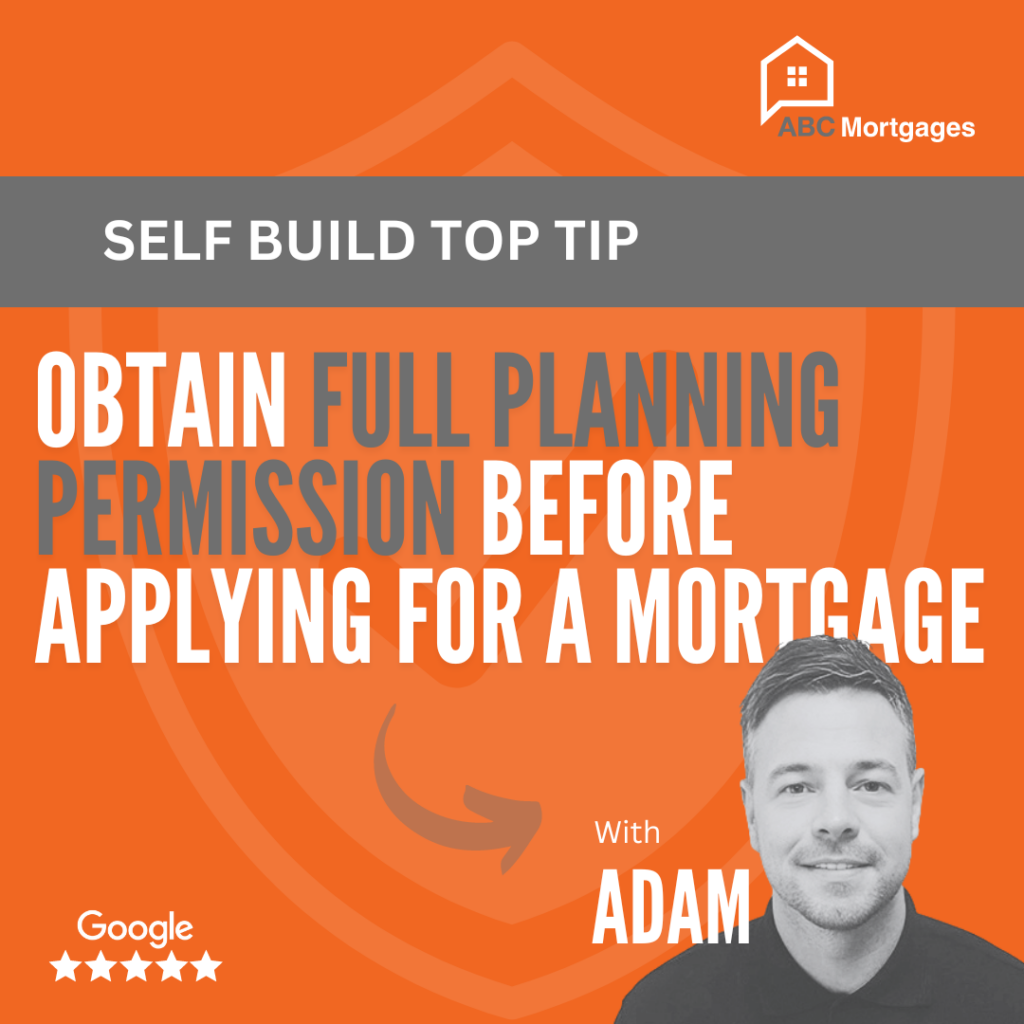
Planning permission is an important consideration for lenders financing self build projects, and lenders may require appropriate permission to be in place as part of their assessment. Requirements can vary, so it’s worth establishing the planning position early in the process.
Some self build mortgages can provide funding towards purchasing a building plot as well as financing construction. Whether this is possible and how much can be borrowed will depend on the lender, plot and your circumstances.
Funds are usually released at agreed stages throughout construction rather than as one lump sum. The stages and timing vary by lender and can depend on the progress and value of the property.
Advance stage payments provide funding before an agreed stage of construction, whereas arrears payments are generally released after that stage has been completed. The distinction can have a significant impact on how you manage cash flow throughout your project.
Yes, potentially. If you already own your building plot, the lender may consider the land and any equity you hold in it when assessing your application and contribution towards the project.
Important Information
Your home may be repossessed if you do not keep up repayments on your mortgage.
There may be a fee for mortgage advice. The precise amount will depend upon your circumstances and will be agreed with you before proceeding, but we estimate it will be £395.
The fee is up to 1%, but a typical fee is 0.3% of the amount borrowed.
Your home/property may be repossessed if you do not keep up repayments on your mortgage.
The Financial Conduct Authority does not regulate some forms of Buy to Lets.
There may be a fee for mortgage advice. The precise amount will depend upon your circumstances and will be agreed with you before proceeding, but we estimate it will be £395.
The guidance and/or information contained within this website is subject to the UK regulatory regime and is therefore targeted at consumers based in the UK.
ABC Mortgages Ltd trading as ABC Mortgages are an Appointed Representative of HL Partnership Limited which is authorised and regulated by the Financial Conduct Authority.
ABC Mortgages Ltd are registered in England and Wales. Registered No:13184891. Registered OƯice: Suite 103, St Georges Business Park, Castle Road, Sittingbourne, Kent, England, ME10 3TB.